
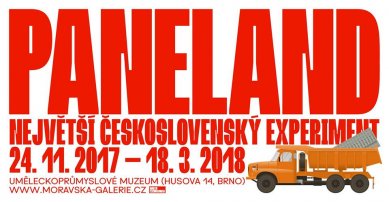
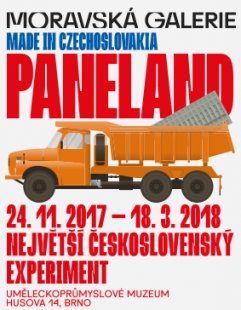
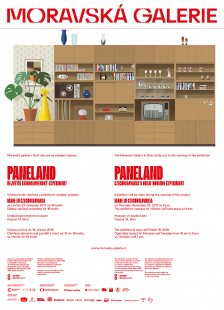
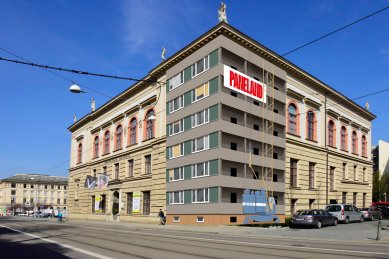
Paneland - the largest Czechoslovak experiment
Exhibition: 24/11/2017 - 18/3/2018
Curator: Rostislav Koryčánek
Graphic Design: Lukáš Kijonka, Michal Krůl (Collective)
Architect: Tomáš Džadoň
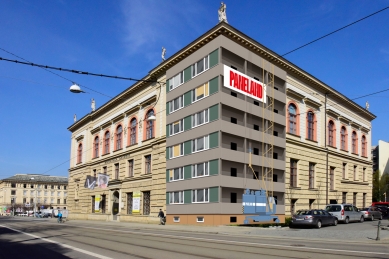
Venue: Museum of Applied Arts, Husova 14, Brno
Opening Hours: Wed - Sun from 10 AM to 6 PM, Thu from 10 AM to 7 PM
Vernissage Date: 23/11/2017 6:00 PM
The exhibition project explores the theme of the construction of panel housing estates in the 1970s and 1980s as a unique urban, architectural, or design experiment. The industrialization of apartment construction was a primary topic for Czechoslovak builders and architects after World War II. It was meant to quickly address the urgent shortage of housing caused by the war and to facilitate the transformation of the industry, which involved the relocation of residents to favored industrial centers. The 1950s and 1960s can be seen as a period of experimenting with panel construction technology and the technological preparation of this method of construction, which was based, to a greater or lesser extent, on the ideas and experiences of left-leaning architects from the interwar period in Czechoslovakia. Coincidentally, with the onset of normalization after the occupation of Czechoslovakia in 1968, there was a massive application of panel construction, and within a short time, one-third of Czechoslovakia's population relocated to environments that were completely different from previous forms of housing. Finding a way to grasp the environment of panel housing estates, how to inhabit it, was a task for both the residents themselves and scientific teams studying the issue from the perspectives of architecture, urbanism, sociology, or psychology. The new situation and the lack of other options provoked residents of the estates to engage in spontaneous activities aimed at improving the state of the open spaces of panel housing estates or seeking ways to address the technical deficiencies of panel apartments and their furnishings independently. This was also a very vibrant topic for many architects and furniture designers who sought ways to transform the panel housing estate and concrete apartment into a quality and stimulating environment. An equally interesting phase in the development of panel housing estates is associated with their social or aesthetic transformation after 1990, reflecting the modern history of Czechoslovakia and subsequently the Czech Republic. The change in the political and social situation motivated the owners of gradually privatized apartments to confront all the ills that the panel construction technology had in Czechoslovakia. Among the main issues that residents of the estates spontaneously addressed were the exchange of apartment cores, transformation of apartment layouts, insulation, extensions of buildings, and painting their facades, as well as utilizing the ground floors of buildings for shops and services. The spontaneous interventions by residents of the estates throughout the 1990s blended with the professionally grounded views of architects and sociologists who sought reconciliation and a new perspective on what had been considered an unwanted relic of the communist regime.
The exhibition is held with the financial support of the Ministry of Culture of the Czech Republic and the statutory city of Brno. It is part of the celebrations commemorating significant anniversaries in 2018 related to our statehood (1918, 1968, 1993) and the project Re:publika 1918-2018
More information >
Curator: Rostislav Koryčánek
Graphic Design: Lukáš Kijonka, Michal Krůl (Collective)
Architect: Tomáš Džadoň
Venue: Museum of Applied Arts, Husova 14, Brno
Opening Hours: Wed - Sun from 10 AM to 6 PM, Thu from 10 AM to 7 PM
Vernissage Date: 23/11/2017 6:00 PM
The exhibition project explores the theme of the construction of panel housing estates in the 1970s and 1980s as a unique urban, architectural, or design experiment. The industrialization of apartment construction was a primary topic for Czechoslovak builders and architects after World War II. It was meant to quickly address the urgent shortage of housing caused by the war and to facilitate the transformation of the industry, which involved the relocation of residents to favored industrial centers. The 1950s and 1960s can be seen as a period of experimenting with panel construction technology and the technological preparation of this method of construction, which was based, to a greater or lesser extent, on the ideas and experiences of left-leaning architects from the interwar period in Czechoslovakia. Coincidentally, with the onset of normalization after the occupation of Czechoslovakia in 1968, there was a massive application of panel construction, and within a short time, one-third of Czechoslovakia's population relocated to environments that were completely different from previous forms of housing. Finding a way to grasp the environment of panel housing estates, how to inhabit it, was a task for both the residents themselves and scientific teams studying the issue from the perspectives of architecture, urbanism, sociology, or psychology. The new situation and the lack of other options provoked residents of the estates to engage in spontaneous activities aimed at improving the state of the open spaces of panel housing estates or seeking ways to address the technical deficiencies of panel apartments and their furnishings independently. This was also a very vibrant topic for many architects and furniture designers who sought ways to transform the panel housing estate and concrete apartment into a quality and stimulating environment. An equally interesting phase in the development of panel housing estates is associated with their social or aesthetic transformation after 1990, reflecting the modern history of Czechoslovakia and subsequently the Czech Republic. The change in the political and social situation motivated the owners of gradually privatized apartments to confront all the ills that the panel construction technology had in Czechoslovakia. Among the main issues that residents of the estates spontaneously addressed were the exchange of apartment cores, transformation of apartment layouts, insulation, extensions of buildings, and painting their facades, as well as utilizing the ground floors of buildings for shops and services. The spontaneous interventions by residents of the estates throughout the 1990s blended with the professionally grounded views of architects and sociologists who sought reconciliation and a new perspective on what had been considered an unwanted relic of the communist regime.
The exhibition is held with the financial support of the Ministry of Culture of the Czech Republic and the statutory city of Brno. It is part of the celebrations commemorating significant anniversaries in 2018 related to our statehood (1918, 1968, 1993) and the project Re:publika 1918-2018
More information >
The English translation is powered by AI tool. Switch to Czech to view the original text source.
0 comments
add comment