
3. Biennale of Architecture in Rotterdam
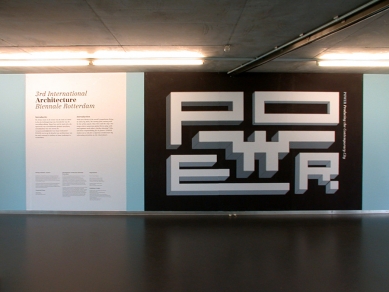
Visionary Power – Producing the Contemporary City
"With two-thirds of the world's population living in cities by 2050, the 21st century will become the urban era. How will cities – places where many global forces interact with and against each other – continue to evolve? And who will bear the responsibility for their future?"
POWER defines the role of vital architecture by refocusing attention on the future of cities."
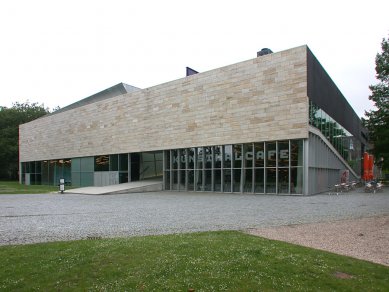
When we mention an architectural biennale, everyone immediately thinks of the one in Venice. Without a doubt, it is the largest architectural event and, compared to others, it also has a long tradition (since 1980). The oldest biennale has been held every two years in São Paulo, Brazil, since 1973. In recent years, other cities have also started organizing architectural biennales. Rotterdam began in 2003, and London and Beijing have been building their traditions since 2004. While the UK and China are still planning their third editions, the biennale in the Netherlands began at the end of May. We decided to take a short trip to the Netherlands, which was to be crowned by a visit to Kunsthal. Not only were previous years reported as successful, but we also wanted to compare similar events ourselves.
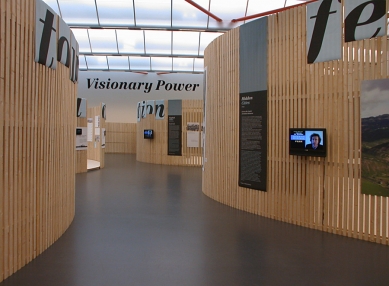
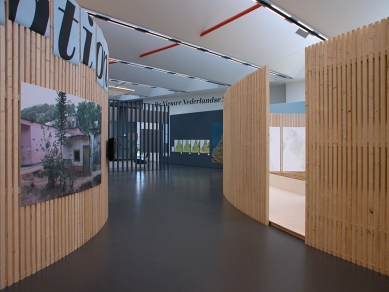
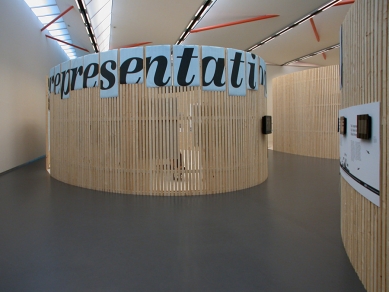
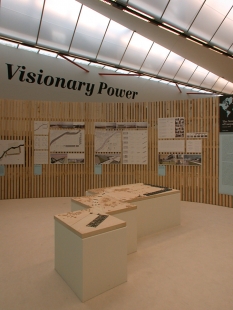
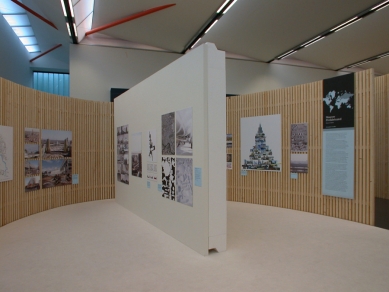
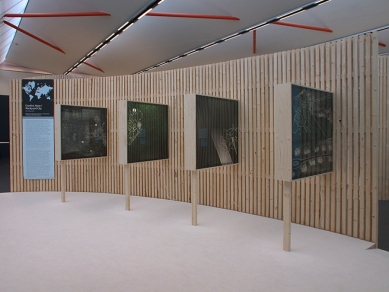
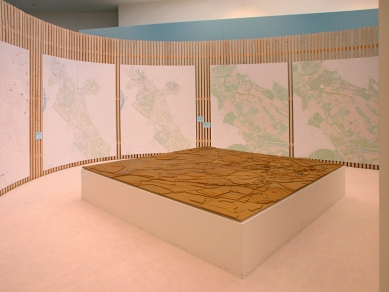
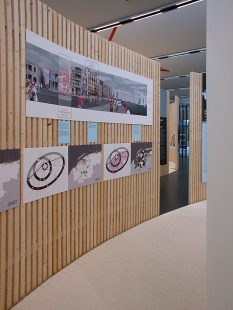
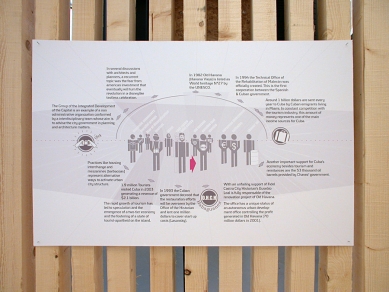
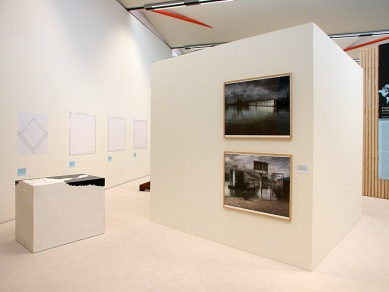
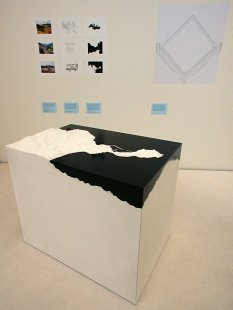
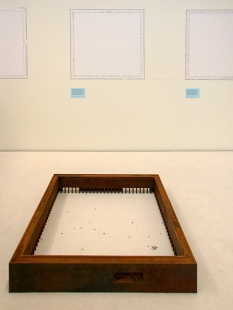
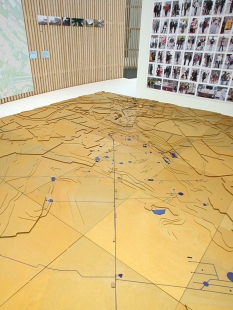
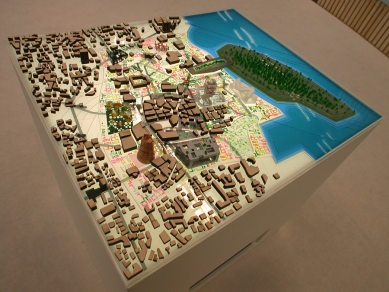
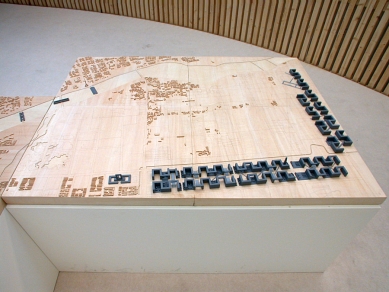
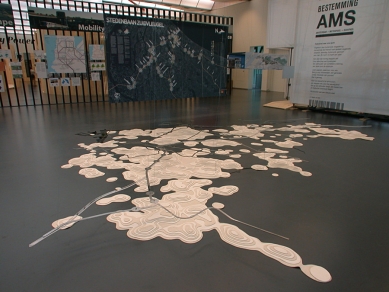
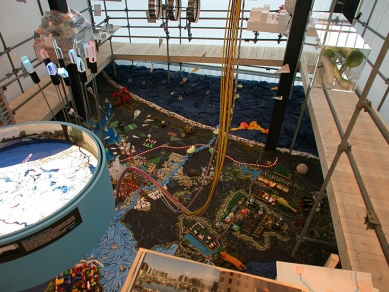
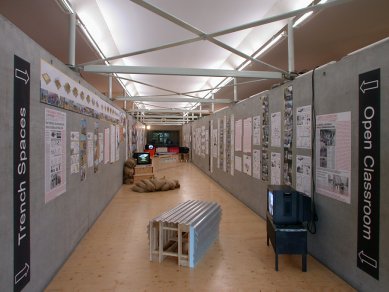
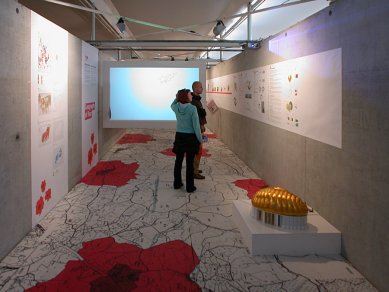
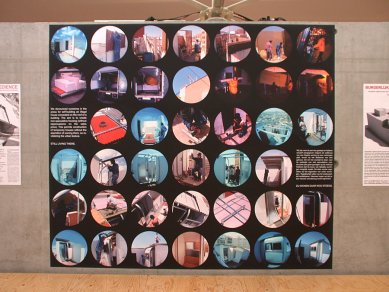
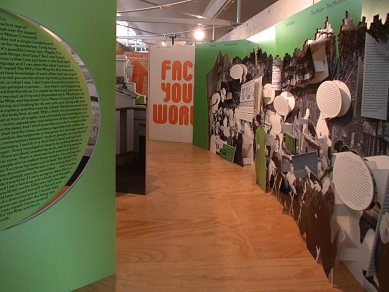
The theme "city" was chosen last year in Venice. Richard Burdett, under the motto "Cities, Architecture and Society," presented sixteen media-interesting analyses of global metropolises. The curator of the Rotterdam biennale, the local Berlage Institute, critically tackled the issues of rapidly growing cities and the societal role of architects in third-world countries under the slogan "Visionary Power – Producing the Contemporary City." The Dutch Photographic Institute moved to the traditional spaces of Las Palmas, and this year's organizers had to look for a new venue. Kunsthal, along with the neighboring NAi, offered sufficient exhibition capacity. The entire event also had to operate on a lower budget than in previous years, which meant that main attention could only be focused on one exhibition. While the previous two events dominated by problems of development in Western cities, this year's main exhibition focused on pressing urban and social issues in the third world. The area is divided into five thematic circles (capital cities, corporate cities, spectator cities, everyday cities, hidden cities). Curators programmatically avoided star architectural names and generally known cities. In the exhibition hall, rather projects emerged that did not stir up immediate sensation. While media-celebrated architects showcase their sensational projects in global megacities on the glossy pages of magazines, their much less known colleagues are involved in the revitalization of slums in the southern hemisphere. To make their activities known in our geographical latitudes, eight researchers invited fourteen architectural firms that present how they would like to help the inhabitants of these cities live with dignity. Most projects share a sensitive approach to construction and social aspects. For example, the exhibition "Immigrant City" proves that no university can prepare architects for work in the third world. The curators sought socially responsible architecture that considers environmental issues and societal interests. The architects approached the task with the maximum possible flexibility. In million-person slums on the outskirts of cities, it is more about eliminating the breeding ground for crime. Selected projects work with an awareness of the existence of "gray zones" or "unofficial cities." The curators believe that these projects can reactivate urban spaces, which would regain their original role. However, it is unclear to what extent Western ideas are transferable to these cultures.
The exhibitions "Visionary Power" and "New Dutch City" are taking place at Kunsthal from May 24 to September 2, 2007. Part of the biennale is also the exhibition "A Better World – Another Power" at NAi, which will last until October 21, 2007. The summer offering at NAi is complemented by an exhibition titled "Le Corbusier - The Art of Architecture," where 450 furnishing items, pieces of furniture, building and city designs, drawings, paintings, photographs, textiles, collages, films, and sculptures are showcased, not only from LC but also his contemporaries Picasso, Braque, Ozenfant, and Léger. Although notoriously famous projects are presented here, the exhibition's authors,
Stanislaus von Moos and Arthur Rüegg, managed to look at them in a completely new way. In autumn, the exhibition will move to the Vitra Design Museum in Weil am Rhein.
About the history
The International Architectural Biennale in Rotterdam (IABR) is an event that gathers knowledge and experience from design disciplines (architecture, urbanism, and landscape architecture) from around the world and brings them to Rotterdam to present to a wide audience.
IABR connects architects, urban planners, theorists, students, developers, and politicians from both home and abroad. IABR differs from other biennales by not only featuring exhibitions but also collaborating predominantly with the younger generation of architects and conducting research.
In 1999, then-director of NAi Kristin Feireiss initiated the international architectural biennale in the Netherlands. The country was increasingly becoming an important point for international architectural debates. The idea was thus welcomed with enthusiasm, and the necessary support was mobilized.
The first IABR started on May 7, 2003. Its theme was "Mobility: A Viewpoint," and the curator was Francine Houben. The second biennale, titled "Flood," opened on May 26, 2005, and the curator was Adriaan Geuze.
POWER defines the role of vital architecture by refocusing attention on the future of cities."
motto of the biennale
When we mention an architectural biennale, everyone immediately thinks of the one in Venice. Without a doubt, it is the largest architectural event and, compared to others, it also has a long tradition (since 1980). The oldest biennale has been held every two years in São Paulo, Brazil, since 1973. In recent years, other cities have also started organizing architectural biennales. Rotterdam began in 2003, and London and Beijing have been building their traditions since 2004. While the UK and China are still planning their third editions, the biennale in the Netherlands began at the end of May. We decided to take a short trip to the Netherlands, which was to be crowned by a visit to Kunsthal. Not only were previous years reported as successful, but we also wanted to compare similar events ourselves.
The theme "city" was chosen last year in Venice. Richard Burdett, under the motto "Cities, Architecture and Society," presented sixteen media-interesting analyses of global metropolises. The curator of the Rotterdam biennale, the local Berlage Institute, critically tackled the issues of rapidly growing cities and the societal role of architects in third-world countries under the slogan "Visionary Power – Producing the Contemporary City." The Dutch Photographic Institute moved to the traditional spaces of Las Palmas, and this year's organizers had to look for a new venue. Kunsthal, along with the neighboring NAi, offered sufficient exhibition capacity. The entire event also had to operate on a lower budget than in previous years, which meant that main attention could only be focused on one exhibition. While the previous two events dominated by problems of development in Western cities, this year's main exhibition focused on pressing urban and social issues in the third world. The area is divided into five thematic circles (capital cities, corporate cities, spectator cities, everyday cities, hidden cities). Curators programmatically avoided star architectural names and generally known cities. In the exhibition hall, rather projects emerged that did not stir up immediate sensation. While media-celebrated architects showcase their sensational projects in global megacities on the glossy pages of magazines, their much less known colleagues are involved in the revitalization of slums in the southern hemisphere. To make their activities known in our geographical latitudes, eight researchers invited fourteen architectural firms that present how they would like to help the inhabitants of these cities live with dignity. Most projects share a sensitive approach to construction and social aspects. For example, the exhibition "Immigrant City" proves that no university can prepare architects for work in the third world. The curators sought socially responsible architecture that considers environmental issues and societal interests. The architects approached the task with the maximum possible flexibility. In million-person slums on the outskirts of cities, it is more about eliminating the breeding ground for crime. Selected projects work with an awareness of the existence of "gray zones" or "unofficial cities." The curators believe that these projects can reactivate urban spaces, which would regain their original role. However, it is unclear to what extent Western ideas are transferable to these cultures.
The exhibitions "Visionary Power" and "New Dutch City" are taking place at Kunsthal from May 24 to September 2, 2007. Part of the biennale is also the exhibition "A Better World – Another Power" at NAi, which will last until October 21, 2007. The summer offering at NAi is complemented by an exhibition titled "Le Corbusier - The Art of Architecture," where 450 furnishing items, pieces of furniture, building and city designs, drawings, paintings, photographs, textiles, collages, films, and sculptures are showcased, not only from LC but also his contemporaries Picasso, Braque, Ozenfant, and Léger. Although notoriously famous projects are presented here, the exhibition's authors,
Stanislaus von Moos and Arthur Rüegg, managed to look at them in a completely new way. In autumn, the exhibition will move to the Vitra Design Museum in Weil am Rhein.
About the history
The International Architectural Biennale in Rotterdam (IABR) is an event that gathers knowledge and experience from design disciplines (architecture, urbanism, and landscape architecture) from around the world and brings them to Rotterdam to present to a wide audience.
IABR connects architects, urban planners, theorists, students, developers, and politicians from both home and abroad. IABR differs from other biennales by not only featuring exhibitions but also collaborating predominantly with the younger generation of architects and conducting research.
In 1999, then-director of NAi Kristin Feireiss initiated the international architectural biennale in the Netherlands. The country was increasingly becoming an important point for international architectural debates. The idea was thus welcomed with enthusiasm, and the necessary support was mobilized.
The first IABR started on May 7, 2003. Its theme was "Mobility: A Viewpoint," and the curator was Francine Houben. The second biennale, titled "Flood," opened on May 26, 2005, and the curator was Adriaan Geuze.
The English translation is powered by AI tool. Switch to Czech to view the original text source.
0 comments
add comment