
The story of Scandinavian modernity II.
Scandinavian design would not be complete without the family brand Fritz Hansen.
From the 1940s onwards
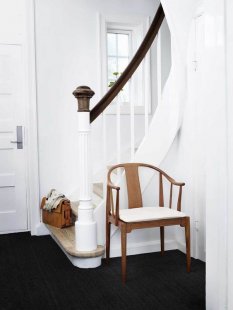
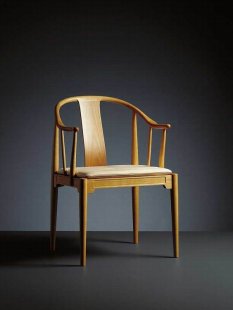
A very close collaboration with designers such as J. Wegner (who designed the China chair in 1944) and Børg Mogensen (who designed the Spokeback sofa in 1945) continues. This brings the company not only commercial success but also recognition in the professional world of design. During the 1940s and 1950s, production at Fritz Hansen advances significantly, and the stackable Ant chair is created in laminated form (1952) for the pharmaceutical company Novo Nordisk. Søren Christian Hansen plays a major role in its technological development.
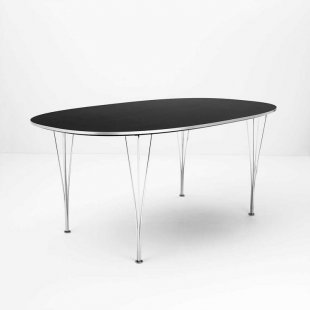
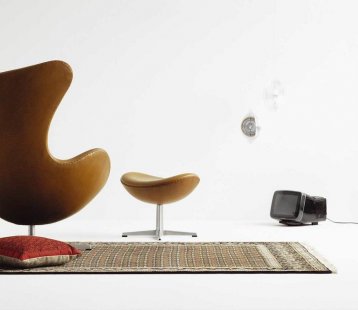
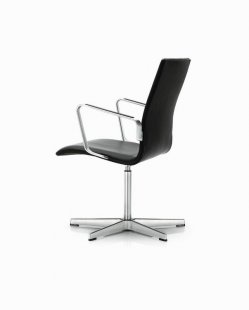
The long-standing personal friendship and cooperation between Arne Jacobsen and Fritz Hansen also led to other successful designs that are still produced today. Notable pieces include the chair 7, the Egg and Swan chairs, and the Oxford chair. In the late 1960s, Fritz Hansen decided to build its own manufacturing plant in Allerød, north of Copenhagen. The collaboration with Arne Jacobsen continued until his death in 1971. Fritz Hansen expanded the collection with new models, leading to collaborations with other designers and architects, such as Henning Larsen. Among the authors of the Republic of Fritz Hansen, as the brand presents itself, we find the enfant terrible of Danish design, Verner Panton, and last but not least, the poet, architect, and inventor Piet Hein. Together with Bruno Mathsson, he designed the Superellipse table, which became another classic piece of Scandinavian furniture production.
In 1979, the Fritz Hansen brand was acquired by Skandinavisk Holding, marking exactly 107 years since ownership passed from the family itself. However, development and further expansion into the international market continued. During the 1980s and 1990s, international collaboration flourished even more, and Burkhard Vogtherr and Italian Vigo Magistretti began working for Fritz Hansen. The collection then grew to include further designs by Danish designer Poul Kjærholm (this year’s autumn/winter collection is dedicated especially to him).
The Republic of Fritz Hansen today
Today, the Republic of Fritz Hansen is among the small luxury brands. FH products can be found in stores like Prada or Louis Vuitton, as well as in numerous modern design collections (Museum of Modern Art or the Guggenheim Museum in New York, etc.). Fritz Hansen represents international quality and the best of Scandinavian design. The journey that has lasted for more than a century, from the designs of Arne Jacobsen, Poul Kjærholm, and Piet Hein, continues thanks to collaboration with designers like Kasper Salto, Morten Voss, but the portfolio also features works by international stars such as Piero Lissoni and the German duo Jehs+Laub.
Fritz Hansen now employs over 200 people at its parent company in Allerød, Denmark, and collections are sold worldwide through showrooms in Tokyo, London, Stockholm, Oslo, New York, Amsterdam, and Milan.
Fritz Hansen in the world
Fritz Hansen has built a global network of authorized partners, among which the company 3D H. Interiér has recently joined. In the new showroom, which will be presented at this year's autumn Designblok, products from other renowned companies such as Arper, Designers Guild, Edra, Emu, Magis, Zanotta, etc., will also be on display alongside the Danish brand Fritz Hansen.
Explore the complete portfolio of Fritz Hansen products on the design portal myCode or visit www.fritzhansen.com, where you can find complete information about this brand.
Related articles:
The story of Scandinavian modernity I.
- Continuation next week -
From the 1940s onwards
A very close collaboration with designers such as J. Wegner (who designed the China chair in 1944) and Børg Mogensen (who designed the Spokeback sofa in 1945) continues. This brings the company not only commercial success but also recognition in the professional world of design. During the 1940s and 1950s, production at Fritz Hansen advances significantly, and the stackable Ant chair is created in laminated form (1952) for the pharmaceutical company Novo Nordisk. Søren Christian Hansen plays a major role in its technological development.
The long-standing personal friendship and cooperation between Arne Jacobsen and Fritz Hansen also led to other successful designs that are still produced today. Notable pieces include the chair 7, the Egg and Swan chairs, and the Oxford chair. In the late 1960s, Fritz Hansen decided to build its own manufacturing plant in Allerød, north of Copenhagen. The collaboration with Arne Jacobsen continued until his death in 1971. Fritz Hansen expanded the collection with new models, leading to collaborations with other designers and architects, such as Henning Larsen. Among the authors of the Republic of Fritz Hansen, as the brand presents itself, we find the enfant terrible of Danish design, Verner Panton, and last but not least, the poet, architect, and inventor Piet Hein. Together with Bruno Mathsson, he designed the Superellipse table, which became another classic piece of Scandinavian furniture production.
In 1979, the Fritz Hansen brand was acquired by Skandinavisk Holding, marking exactly 107 years since ownership passed from the family itself. However, development and further expansion into the international market continued. During the 1980s and 1990s, international collaboration flourished even more, and Burkhard Vogtherr and Italian Vigo Magistretti began working for Fritz Hansen. The collection then grew to include further designs by Danish designer Poul Kjærholm (this year’s autumn/winter collection is dedicated especially to him).
The Republic of Fritz Hansen today
Today, the Republic of Fritz Hansen is among the small luxury brands. FH products can be found in stores like Prada or Louis Vuitton, as well as in numerous modern design collections (Museum of Modern Art or the Guggenheim Museum in New York, etc.). Fritz Hansen represents international quality and the best of Scandinavian design. The journey that has lasted for more than a century, from the designs of Arne Jacobsen, Poul Kjærholm, and Piet Hein, continues thanks to collaboration with designers like Kasper Salto, Morten Voss, but the portfolio also features works by international stars such as Piero Lissoni and the German duo Jehs+Laub.
Fritz Hansen now employs over 200 people at its parent company in Allerød, Denmark, and collections are sold worldwide through showrooms in Tokyo, London, Stockholm, Oslo, New York, Amsterdam, and Milan.
Fritz Hansen in the world
Fritz Hansen has built a global network of authorized partners, among which the company 3D H. Interiér has recently joined. In the new showroom, which will be presented at this year's autumn Designblok, products from other renowned companies such as Arper, Designers Guild, Edra, Emu, Magis, Zanotta, etc., will also be on display alongside the Danish brand Fritz Hansen.
Explore the complete portfolio of Fritz Hansen products on the design portal myCode or visit www.fritzhansen.com, where you can find complete information about this brand.
Related articles:
The story of Scandinavian modernity I.
- Continuation next week -
The English translation is powered by AI tool. Switch to Czech to view the original text source.

0 comments
add comment