
In 2016, most major constructions in Prague are to be except for the metro
 |
The extension of line A of the metro should be completed from the current terminus to Motol by the Olympics in 2016. According to current plans, the first passengers should reach the Motol hospital by underground in 2014. The metro should reach Dlouhá Míle only in 2017 and to the airport a year later.
By then, the center of Prague should already be connected to the airport by a rapid transit system, which the government intends to build by modernizing the current Buštěhrad railway. Trains between Prague and Kladno, with a branch to the airport, are expected to run on the new track with rails in both directions by the end of 2013.
 |
According to current estimates, in 2016, trains on line D should operate between Pankrác and Písnice. The section from Pankrác to the main train station is expected to be completed two years later.
Among road constructions, the southern part of the outer motorways around the city between Slivenec and the D1 highway is expected to be operational within about two years. By 2016, according to Langmajer, the controversial section between Ruzyně and Březiněves through Suchdol could most likely be finished. "A regulation is being prepared for approval, which will incorporate the route into the binding part of the territorial plan," the councilor stated.
By 2016, cars should have already been traveling for about five years on the new section of the inner ring road between Špejchar and Pelc-Tyrolka, with tunnels under Letná and Stromovka, which is currently under construction. According to Langmajer, the municipality will do everything to ensure that the last northeastern part of the inner ring road is completed in eight years, although it is not so important from a traffic perspective. The state should also continue construction of other sections of the outer bypass in the southeast and northeast of the city.
Among other major investments, a new runway is to be built at Prague Airport. Prague should also have an upgraded wastewater treatment plant.
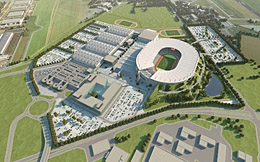
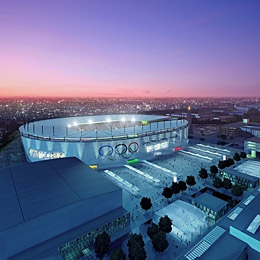
In view of the games, a new urban plan for the metropolis is being prepared. It will include places for the construction of Olympic venues and other buildings, especially in Letňany. Facilities intended specifically for the Olympics are typically built only after the International Olympic Committee decides on the host city. Prague is currently only beginning the completion of the Šutka swimming complex, which will, however, serve the general public.
The bid for the 2016 games has so far cost the capital city 60 million crowns. Prague officially entered the competition to host the summer Olympics in early September last year. This week, the Olympic Committee will decide whether to include the Czech capital among the candidate cities. The host city, however, will be decided later.
City politicians do not give the games in Prague in 2016 much of a chance. Four years earlier, another European city, London, will host them. According to customs, the next games should then be on a different continent. The politicians see a greater chance of success in 2020 or 2024. The plan to host the Olympic Games in Prague is criticized by the mayors of smaller towns and municipalities, who are concerned about public budgets. They therefore demand that the decision to host the games be made in a referendum. According to polls, a majority of residents also support the referendum.
The English translation is powered by AI tool. Switch to Czech to view the original text source.

2 comments
add comment
Subject
Author
Date
betonářské lobby
David Teplý
03.06.08 10:06
Betonářské lobby
Stanleyk
09.06.08 03:42
show all comments