
The book by Pavel Zatloukal follows the architectural development of Brno in the 19th century
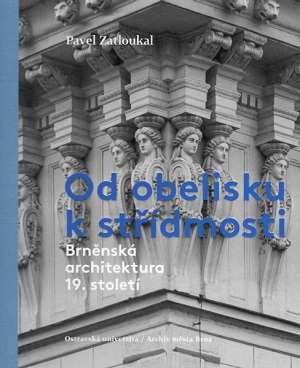 |
During the observed period, Brno developed dynamically and gradually transformed into a modern Central European city, symbolizing the cultural and social change in Moravia.
Zatloukal drew from period magazines and literature. "In my opinion, this is the shortest way to empathize with the thinking of the participants in the events of that time. I approached the selection of visual attachments in a similar way – relying on the most original archival, magazine, and book sources," Zatloukal stated.
The book places contemporary tendencies and individual buildings into broader contexts. It addresses the personalities of Central European architecture that operated in Brno, as well as the quality of their work. It traces the development of the city from late classicism, romanticism, and historicism to Art Nouveau and modernity.
The new buildings that arose in Brno in the 19th century served as facilities for courts, offices, schools, theaters, and other cultural institutions. The entire urban structure of the Gothic and Baroque center also changed. Where the demolished fortifications stood, a ring boulevard with representative buildings was created, and the city gradually merged with the suburbs into a compact whole.
The English translation is powered by AI tool. Switch to Czech to view the original text source.
0 comments
add comment