
The Vienna exhibition presents the hidden treasures of the Czechs
The exhibition Unknown Bohemia, opened in July at the Ringturm in Vienna, invites visitors on a journey to lesser-known places in the western part of the Czech Republic. Through photographs, historical documents, and the results of contemporary research, it presents a face of Bohemia that often remains in the shadow of its most famous monuments. The exhibition is accessible for free until October 16, 2026.
When Czechs are mentioned, most people think of Prague or popular spa towns such as Karlovy Vary. However, the exhibition Unknown Bohemia (Unbekanntes Böhmen), launched in July at the Ringturm in Vienna, takes a different direction. It focuses on places off the main tourist trails that still hide extraordinarily rich architectural, historical, and cultural heritage.
The authors of the exhibition drew from study trips around Bohemia, archival sources, and specialized literature, offering a new perspective on a region that belongs to the most diverse cultural landscapes in Central Europe. Its story is presented through three significant rivers, the Vltava, Elbe, and Ohře, which shaped the character of this territory and influenced the development of settlements as well as key historical events.
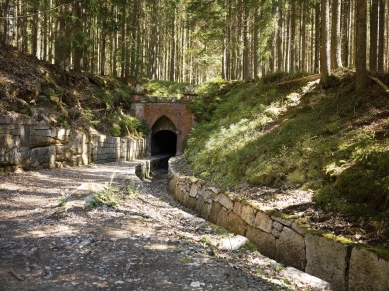
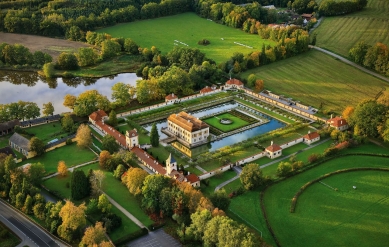
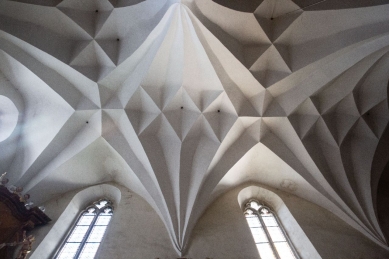
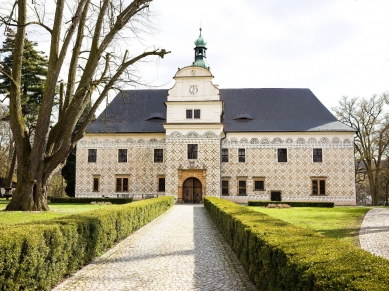
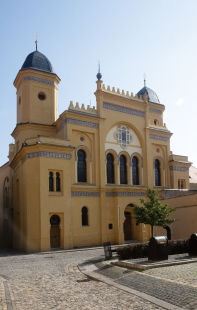
Along their courses, castles, chateaus, churches, monasteries, synagogues, historic towns, and technical monuments, including bridges, water towers, and power plants, were established. Together, these buildings create a unique image of the architectural development of the Czech lands from the Romanesque period through Gothic, Renaissance, and Baroque to modern architecture.
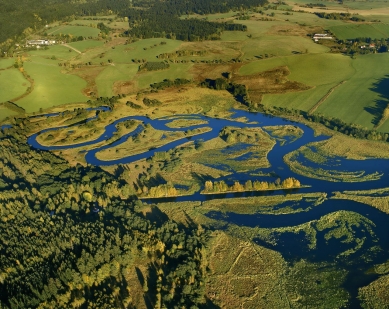
The exhibition further focuses on the tradition of local economy. It highlights, for example, the Třeboň fishpond system, the largest historical fishpond landscape in Central Europe, as well as the cultivation of hops, brewing, and agriculture. These activities were the foundation of the prosperity of many areas of the Czech lands, which is reflected in the appearance of chateaus, estates, breweries, and industrial complexes. The exposition thus demonstrates that cultural heritage is not only made up of famous monuments but also buildings associated with everyday life.
A separate part of the exhibition maps the close historical ties between Bohemia and Austria. It recalls important figures in architecture, music, fine arts, and business whose lives connected both regions, from Bedřich Smetana, Antonín Dvořák, and Gustav Mahler to Gustav Klimt and Egon Schiele.
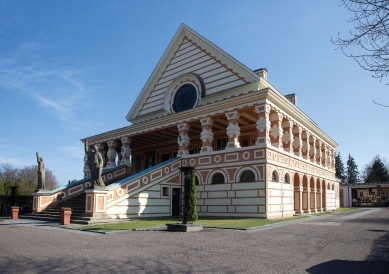
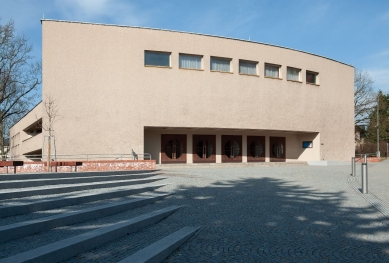
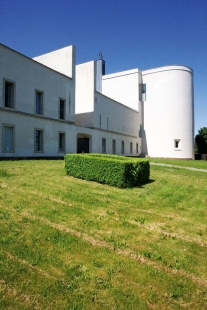
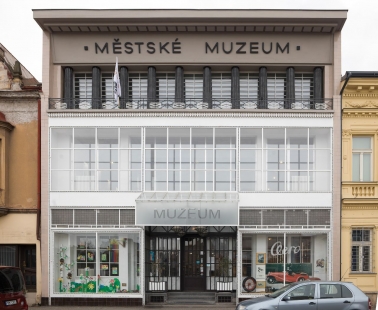
A significant place is also given to 20th-century architecture at the Ringturm. In addition to the works of Czech architects Jan Kotěra, Pavel Janák, and Josef Gočár, the exhibition's authors also present the creations of Josef Hoffmann, Jože Plečnik, Heinrich Kulka, Leopold Bauer, and the Fellner & Helmer studio. Examples of contemporary architecture and sensitive reconstructions of historic buildings are also included, demonstrating that Bohemia remains a vibrant and inspiring cultural landscape to this day.
Further Information
Unknown Bohemia / Unbekanntes Böhmen
Date: July 15 to October 16, 2026
Address: Ringturm, Schottenring 30, 1010 Vienna
Opening Hours: Monday to Friday, 9:00 AM–6:00 PM (closed on holidays)
Entry: free
More information >
When Czechs are mentioned, most people think of Prague or popular spa towns such as Karlovy Vary. However, the exhibition Unknown Bohemia (Unbekanntes Böhmen), launched in July at the Ringturm in Vienna, takes a different direction. It focuses on places off the main tourist trails that still hide extraordinarily rich architectural, historical, and cultural heritage.
The authors of the exhibition drew from study trips around Bohemia, archival sources, and specialized literature, offering a new perspective on a region that belongs to the most diverse cultural landscapes in Central Europe. Its story is presented through three significant rivers, the Vltava, Elbe, and Ohře, which shaped the character of this territory and influenced the development of settlements as well as key historical events.
Along their courses, castles, chateaus, churches, monasteries, synagogues, historic towns, and technical monuments, including bridges, water towers, and power plants, were established. Together, these buildings create a unique image of the architectural development of the Czech lands from the Romanesque period through Gothic, Renaissance, and Baroque to modern architecture.
The exhibition further focuses on the tradition of local economy. It highlights, for example, the Třeboň fishpond system, the largest historical fishpond landscape in Central Europe, as well as the cultivation of hops, brewing, and agriculture. These activities were the foundation of the prosperity of many areas of the Czech lands, which is reflected in the appearance of chateaus, estates, breweries, and industrial complexes. The exposition thus demonstrates that cultural heritage is not only made up of famous monuments but also buildings associated with everyday life.
A separate part of the exhibition maps the close historical ties between Bohemia and Austria. It recalls important figures in architecture, music, fine arts, and business whose lives connected both regions, from Bedřich Smetana, Antonín Dvořák, and Gustav Mahler to Gustav Klimt and Egon Schiele.
A significant place is also given to 20th-century architecture at the Ringturm. In addition to the works of Czech architects Jan Kotěra, Pavel Janák, and Josef Gočár, the exhibition's authors also present the creations of Josef Hoffmann, Jože Plečnik, Heinrich Kulka, Leopold Bauer, and the Fellner & Helmer studio. Examples of contemporary architecture and sensitive reconstructions of historic buildings are also included, demonstrating that Bohemia remains a vibrant and inspiring cultural landscape to this day.
Further Information
Unknown Bohemia / Unbekanntes Böhmen
Date: July 15 to October 16, 2026
Address: Ringturm, Schottenring 30, 1010 Vienna
Opening Hours: Monday to Friday, 9:00 AM–6:00 PM (closed on holidays)
Entry: free
More information >
The English translation is powered by AI tool. Switch to Czech to view the original text source.
0 comments
add comment