
Glass façades without compromise: Thermal comfort starts at the design stage

24.11.2026 13:00

Large glazed surfaces, abundant daylight, and a connection between interior spaces and their surroundings are defining features of contemporary architecture. But as the proportion of glass increases, so does the challenge of ensuring thermal comfort while keeping the building’s energy consumption under control. The solution need not involve compromising the architectural design. The key is knowing what to consider when planning external shading—even before the first sketch.
First the Sun, Then the FaçadeThe building’s orientation, the size of its glazed areas and the surrounding buildings determine how much solar energy enters the interior. South-facing façades are primarily exposed to the high summer sun, while east- and west-facing façades receive low-angle morning and afternoon sunlight respectively, which is harder to block with horizontal shading elements. Architects should therefore consider not only daylight but also the risk of overheating and the potential to use solar gains in winter. The amount of shading required also depends on the glazing specifications, such as the g-value, so it is advisable to address both together.

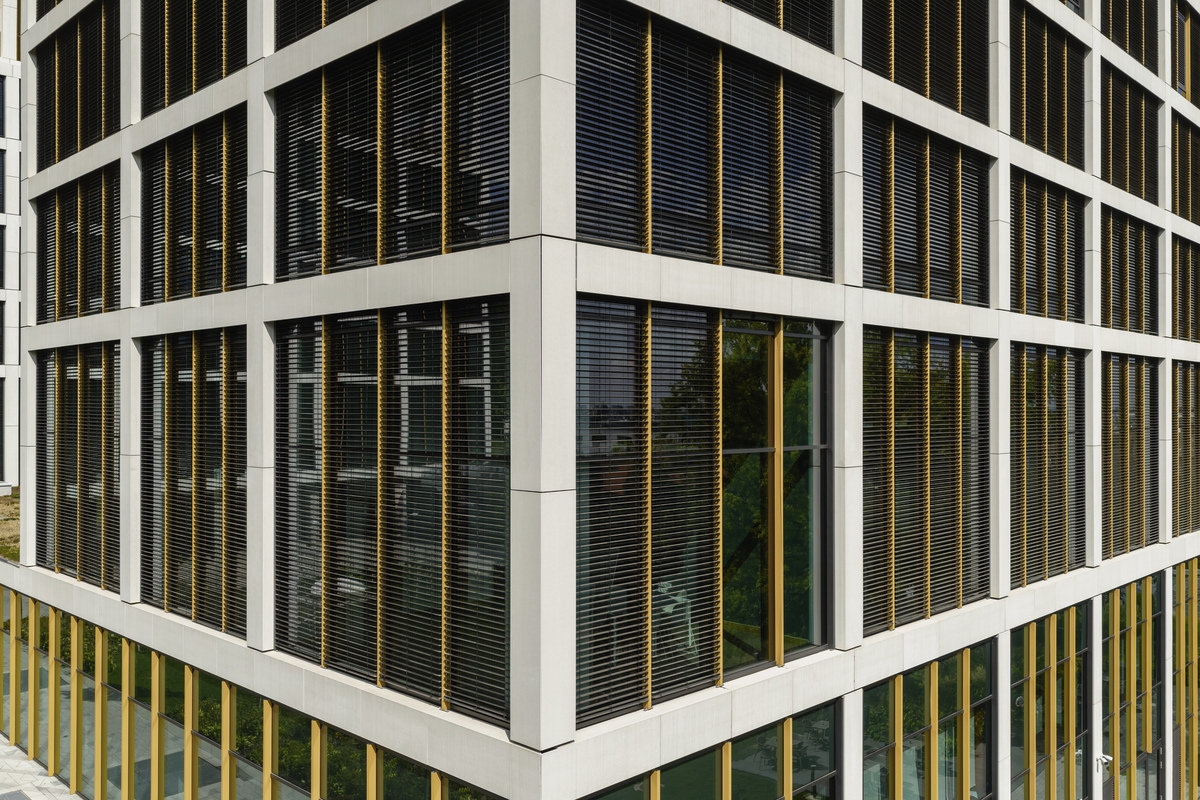
Not All Shading Works the Same Way“External shading intercepts solar radiation before it reaches the glass, reducing solar heat gains more effectively than internal shading,” explains Lukáš Borovský, Director of Somfy CZ. The choice of shading element then affects both the appearance of the façade and the use of the interior: Venetian blinds allow light to be controlled while preserving views, roller shutters provide blackout and privacy, and screen blinds offer sun protection while maintaining partial visual contact with the outdoors. In offices, glare must also be taken into account. “The aim is not to block out daylight completely, but to regulate it so that people can work comfortably without keeping the space permanently dark,” Lukáš Borovský continues.

Technology Needs SpaceThe technology needs to be incorporated into the design as early as the concept stage, with space allocated for housings, guide rails, fixings and maintenance access. Automation also requires a power supply, sensor placement and, where applicable, integration with the building management system (BMS). Architects do not need to have all the details finalised at this point. The architectural concept design should therefore identify which façades will be shaded, what type of shading will be used and how much space the technology will require. Specific products, motors and automation settings can be finalised later. If space and preparatory provisions are not considered from the outset, incorporating the system later may involve technical and aesthetic compromises.

Consider How the Building Operates Throughout the YearAutomation allows external shading to respond to current conditions and support the building’s energy management. In summer, it limits unwanted solar gains; in winter, it allows solar energy to be used for passive heating of the interior.

“With shading, it is not enough simply to decide how it will look on the façade. It is equally important to know how it should operate throughout the day and year, which conditions it should respond to and how it should work with other building technologies. If these questions are only raised at an advanced stage of the project, the scope for an optimal solution may already be limited,” adds Lukáš Borovský.

Architects do not need to know the technical specifications of the motors. Their role is to define the required shading functionality and coordinate it with design engineers and technology specialists early on. Somfy’s external shading systems then allow these requirements to be translated into automated control through sensors and preset scenarios.

A glazed façade and thermal comfort therefore need not be at odds. The key is to make decisions about shading while it can still naturally shape both the appearance and operation of the building.
The English translation is powered by AI tool. Switch to Czech to view the original text source.
0 comments
add comment