
95 years ago, Japanese architect Kenzō Tange was born
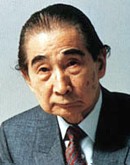 |
Tange was born in 1913 as one of eight children in a poor family in Osaka. He studied architecture at the University of Tokyo, inspired by the work of Swiss architect Le Corbusier. Tange gained international recognition for projects such as the plan for Hiroshima, which was devastated by an atomic bomb, including its peace memorial. Tange's works can also be seen outside Japan - in Italy, Singapore, or Saudi Arabia. In the United States, he designed the Minneapolis Institute of Art.
The architect, who received the prestigious American Pritzker Prize in 1987, also lectured at prestigious universities around the world. In his life, he reportedly was only intimidated by one task, which was designing his own family house in the center of Tokyo. He justified it by saying that his wife and children could painfully criticize him while using it. Tange passed away on March 22, 2005.
The English translation is powered by AI tool. Switch to Czech to view the original text source.

0 comments
add comment