
Little space in the metropolis of Mexico needs to be solved by "land scraping."
 |
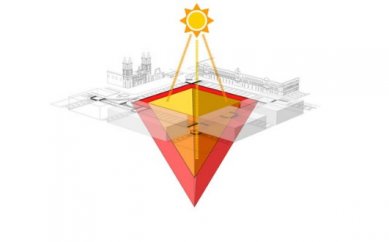
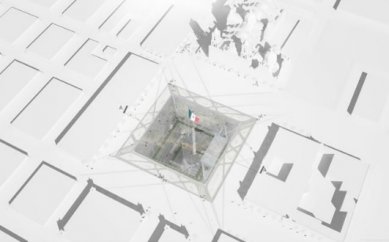
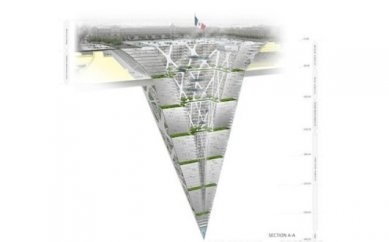
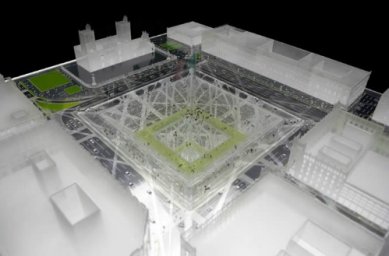
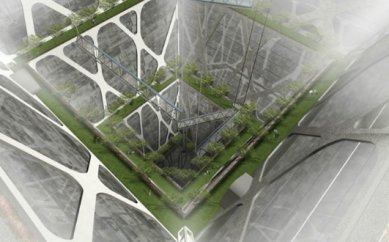
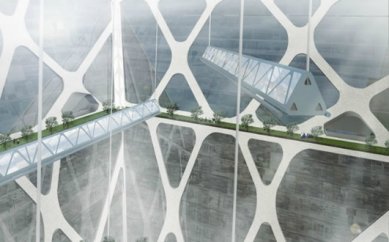
"There is very little space for further buildings in Mexico, and according to the laws, we cannot go above eight floors, so the only way was to go down," Esteban Suárez, co-founder of BNKR Arquitectura, the company behind the underground building design, told CNN. It is shaped like an inverted pyramid with a central shaft that would ensure the supply of daylight and ventilation.
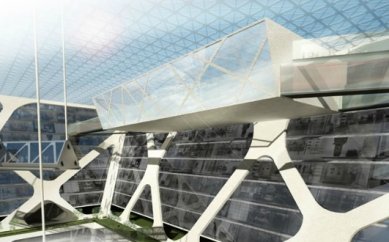
According to Suárez, the first ten floors would house a museum about the city’s history. The next ten floors would be made up of apartments, while the remaining floors would be dedicated to offices and commercial spaces.
More natural light should reach the lower parts of the building through a system of optical fibers, although the architects are still exploring this option. There will also be lobbies with plants and trees to improve air quality and presumably alleviate the somewhat cramped atmosphere underground. Renewable energy sources will reportedly include turbines powered by accumulated groundwater. However, Suárez could not answer whether this would be enough for round-the-clock power supply for the offices.
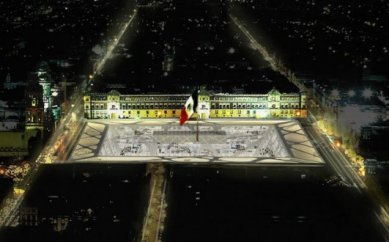
If construction goes ahead, the building would be located beneath Mexico's central square Zócalo, one of the largest in the world. "There is a huge empty space there, which makes it an ideal place for such a project," said the 32-year-old architect according to CNN. He pointed out that the excavated structure wouldn’t disrupt the historic skyline of the Mexican metropolis and could also help solve the problem of urban sprawl.
Suárez and his colleagues are currently presenting the project to local authorities. If given the green light, it is estimated to cost around 800 million dollars (about 14 billion Czech crowns).
The English translation is powered by AI tool. Switch to Czech to view the original text source.
0 comments
add comment