
The atmosphere of cafes from past years will be brought closer by a new exhibition in Prague
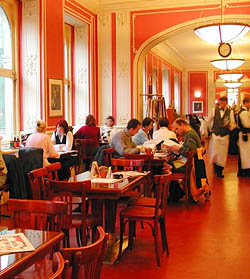 |
Visitors can experience the atmosphere of vintage cafes firsthand. The exhibition includes the interior of the then-famous Union cafe. There is also a functioning cafe where music plays from a vintage gramophone and where footage of Prague from that time is projected on the wall.
The exhibition also features a gallery of paintings with cafe themes, including the original of the famous painting by Viktor Oliva "Absinthe Drinker." A copy hangs in the Slavia cafe. "From various galleries, we have gathered a fairly extensive collection that represents the cafe as a theme,” said exhibition co-author Tomáš Dvořák.
For easy orientation in the world of Prague cafes from past years, there is a period-styled interactive map with the locations of about 150 cafes from the first half of the 20th century. The map is complemented by period photographs and audio information.
At that time, cafes were not just places for pleasant conversations with ladies or casual chats with friends but also spaces for working, writing, and gathering information about events at home or abroad. A good cafe owner made sure that guests not only had good coffee but also their favorite reading material.
"People also went to cafes to work. Journalists often sat here writing their articles and sending them to the editorial office through a clerk. For example, Jaroslav Hašek would sit in cafes and send contributions to the editorial offices, which would send him an advance to cover his expenses,” said exhibition co-author Dominik Hrodek.
Frequent visitors to cafes included Vítězslav Nezval, Jaroslav Seifert, the Čapek brothers, Egon Erwin Kisch, and many other writers, journalists, artists, as well as politicians, bankers, and entrepreneurs. Popular spots included National Cafe, Corso, Slavia, and Louvre.
The last two mentioned cafes still operate today. Their clientele has reportedly changed in recent years. "They are now much more experienced, sophisticated, more demanding, and some even wealthier. It is increasingly necessary to know the type of your customer and tailor everything to their needs,” said Sylvio Spohr, the owner of Cafe Louvre, to ČTK.
The exhibition, which will last until the end of August this year, also addresses the period methods of serving coffee, tea, and cafe delicacies. The basic admission fee to the Museum of the Capital City of Prague is 100 crowns. Students and seniors pay 40 crowns for entry, while children under 6 and disabled visitors have free admission. The museum is open daily except on Mondays from 09:00 to 18:00.
The English translation is powered by AI tool. Switch to Czech to view the original text source.
0 comments
add comment