
Marking for Furniture and Interior Accessories

Publisher
Tisková zpráva
13.06.2022 11:50
Tisková zpráva
13.06.2022 11:50
In furniture, design labeling is gaining great popularity. It should be subtle so that it doesn’t draw the main attention. Even greater emphasis is placed on such labeling in design accessories that complete the overall appearance of interiors in modern apartments or offices. Take a look at the labels created by the Czech manufacturer of 3D labeling and draw inspiration for your project.
A design label with the logo or the name of the manufacturer acts as the proverbial cherry on top, which aims to refine the appearance of the entire product. In addition to the visual aspect, this label has another important function. “Just as in any other field, design labeling in architecture reminds us who stands behind the first-class solid wood furniture or handcrafted accessory. Whether it’s at home in the kitchen, in a favorite café, or in an office, the labeling should last for the entire lifespan of the product so that it serves as a guide for any future purchase,” explains Martin Uhrinec, the sales director of RATHGEBER, a company specializing in the production of high-quality technical and design labeling.
What material should be chosen for labeling?
Many designers ask themselves what label to have produced so that it matches their product as closely as possible. It is essential to answer some basic questions. The most important one is, what material should the furniture or design element be made of? Metal labels fit much better with natural materials, while for various smaller composite accessories, a discreet plastic label is more suitable. It is also crucial to consider where the label will be attached. Will it be on a design candle, a shelf, or interior doors? Should the label appear elegant, modern, or classic? “For design lighting, we will solve a different method of labeling and its attachment than for a leather sofa. An expert should guide the interested party through this basic selection of a design label,” says Martin Uhrinec.
Each material has its specifics. Aluminum labels are durable and elegant. If the label is to be exposed to truly demanding conditions, it's better to rely on a stainless steel label. Plastic labels represent a viable option for indoor furniture where direct sunlight and moisture are not a concern. “As for aesthetics, the choice of material depends on the client. We make it easier for them by providing dozens of samples, allowing them to better envision how the final result will look,” adds Martin Uhrinec from RATHGEBER.
How to beautify interior accessories design
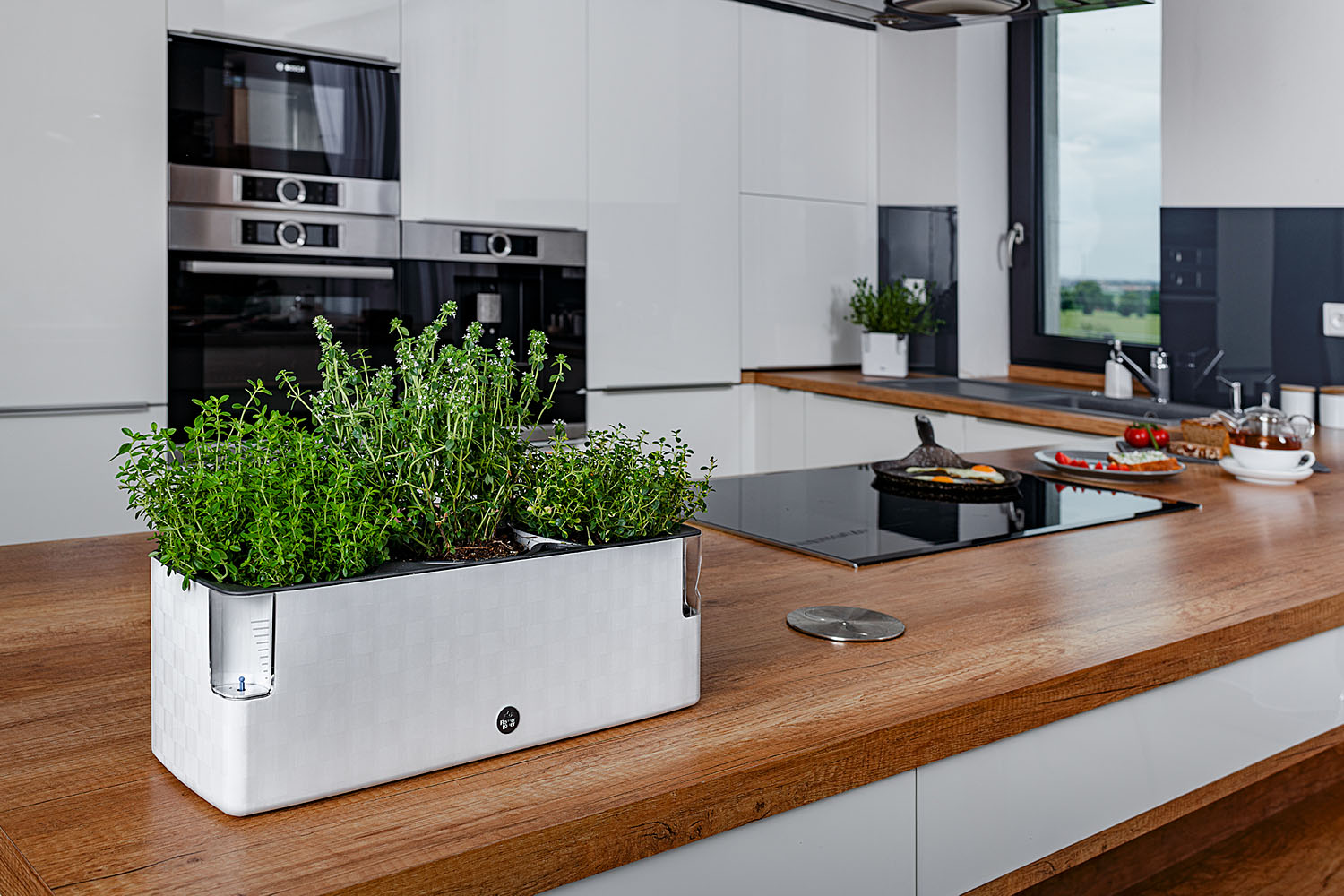
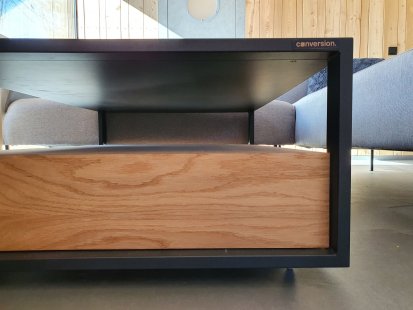
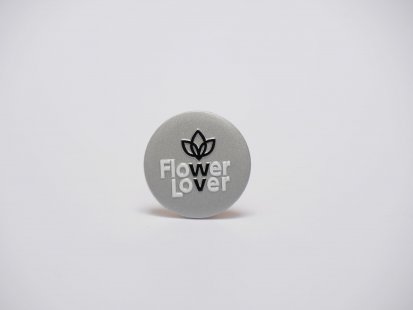
When labeling furniture, we often aim for perfect blending of the label with the product, as is the case with the coffee table from Conversion, where the black structural lacquer of the aluminum label perfectly matches the steel frame and the embossed text complements the wooden decor of the top. For design accessories, due to their smaller size, emphasis is placed on showcasing fine details that catch the eye. This is the case with design candles from Cubba, where the freestanding Finochrom® text was used. This product made of chrome-plated metal excels in perfectly depicting sharp corners, thin surfaces, and textures. Even with design planters from Flower Lover, the glossy silver Finochrom® text is the central motif of the product, just as it is with the round aluminum label featuring the embossed logo.
When less is more
An experienced designer knows that a massive and overdone label is a disruptive element and it’s better to avoid it. The lightness and timelessness of the design are essential. Cheap solutions using foil labels, which can give the impression of cheap industrial production from discount chains on expensive furniture, are definitely not suitable. “The label should constitute a discreet yet noticeable and inseparable component of the product,” concludes Martin Uhrinec.
Be inspired by companies that have invested in the quality of Czech labels
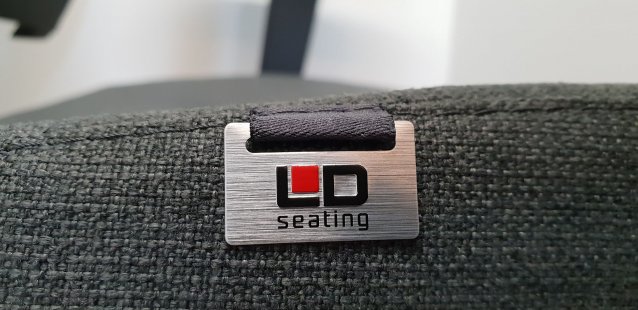
In the photo gallery below, you will find examples of projects realized with Czech furniture makers. Their common denominator is the top-notch quality of the product itself and the perfect work of printing experts. The result is the uniqueness of the given furniture or interior accessory.




The English translation is powered by AI tool. Switch to Czech to view the original text source.
0 comments
add comment