
Experts will spend three days in Vysoké Mýto discussing water mills
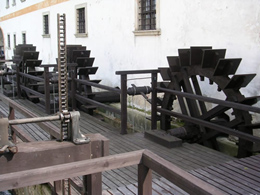 |
In the Pardubice region, a unique mill in Morašice in the Svitavy region deserves mention. "It is an example of an older type, where the waterwheel moved the stones, which has since disappeared. All other technological equipment, including the grinder for making grits from barley, was created in a craftsman-like manner, made by carpenters or the millers themselves," Urbánek stated. The millstones were also hand-carved. Another type was so-called artistic mills, which is an established translation of the German term Kunstmühl, which were factory-produced.
The museum has already organized the seventh seminar on the topic of originally folk architecture. "Since the second year, we have focused particularly on what was previously neglected, namely technical objects. Among these, water mills stand out the most, of which there are more in Czech territory than forges, oil mills, sawmills, or brickworks," Urbánek noted. In addition to the mills themselves, discussions will also include millstones and textiles in the milling equipment.
In Vysoké Mýto, about twenty lectures and several discussion contributions from archaeologists, architects, ethnologists, historians, and specialists from other fields concerning water mills will be presented. An excursion to several of these structures in the Orlickoústecko and Rychnov regions is also planned for the third day. "The lectures are accessible to the public, and visitors to the mills can also participate, but they must arrange their own transport," Urbánek said.
The greatest boom of water mills in the Czech lands occurred approximately from the beginning of the 18th century to the middle of the 19th century. Before World War II, there were about 7,000 to 8,000 functional water mills just in the territory of Bohemia. Others had been repurposed at that time.
The English translation is powered by AI tool. Switch to Czech to view the original text source.
0 comments
add comment