
New exhibition at the castle in Kroměříž explores the transformations of the representation of the human body
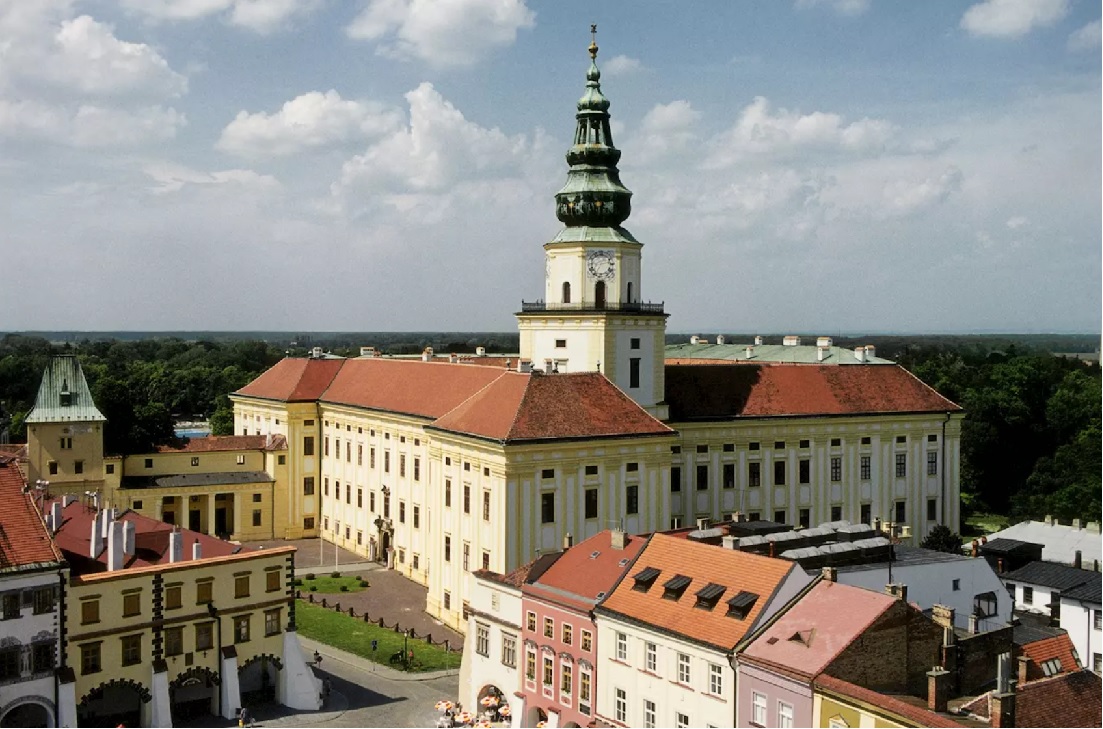 |
Kroměříž – A new exhibition at the Archbishop's Palace in Kroměříž explores the transformations of the representation of the human body from antiquity to the present day. Visitors will see this through artworks from the collection of Patrik Šimon. The exhibition named Figura Contemplativa started today and will last until September 6, the spokesperson for the organizers from the Olomouc Museum of Art, Tomáš Kasal, informed ČTK.
The human figure is one of the oldest and most enduring themes in visual art. “The transformations in the depiction of the human figure reflect deeper changes in European thinking. In some periods, the figure was understood primarily as an expression of order, harmony, and ideal, while in others it became a bearer of religious messages or moral teachings. In modern times, the concept of man as a unique individuality with its own inner world has prevailed,” said the exhibition curator Miroslav Kindl.
According to him, the history of figurative representation is also the history of transformations of the image of man in European culture. "It is a journey from symbolic and fixed representations to a deeper interest in reality, from ideal to individuality, and from a unitary concept of the body to its multiplicity in modern and contemporary art,” added the curator.
Part of the exhibition is a digital audio guide available in 12 languages. Thanks to it, visitors will be able to choose between a curated selection or use a specially prepared children's tour.
At the palace, there is also an exhibition called Theatrum Italiae. Through graphics from the archbishop's collections, it captures the transformations of Italian architecture during the cultural and political flourishing of cities like Rome, Florence, and Venice in the 17th and 18th centuries. In the early modern period, Italy was one of the most significant cultural centers of Europe. It was possible to admire ancient monuments, masterpieces of Renaissance and Baroque art, and to observe the transformations of contemporary architecture.
Graphics played a significant role in shaping the idea of Italy. "Vedute, views of city streets, squares, and individual buildings were published not only as standalone sheets but also accompanied travelogues, itineraries, and atlases, which allowed readers to symbolically (virtually) travel across Europe. Moreover, these graphics were a popular souvenir, a reminder of visited places, and simultaneously spread the image of Italy as the center of European culture,” said the exhibition curator Helena Zápalková.
Among the exhibited items are examples of a generously conceived atlas of Italian cities by the Amsterdam publisher Joan Blaeu, views of Baroque Rome by Giovanni Battista Falda, and a representative collection of large-format vedute of Florence created according to the drawings of Giuseppe Zocchi. The exhibition will last until September 28.
The English translation is powered by AI tool. Switch to Czech to view the original text source.

0 comments
add comment
Related articles
0
15.08.2017 | The Olomouc Archdiocese filed a lawsuit regarding the Flower Garden
0
29.03.2017 | The Olomouc Archdiocese is preparing repairs for monuments in Kroměříž
0
01.12.2015 | The state will hand over the castle in Kroměříž to the church, with the first buildings on Friday
0
01.12.2013 | The UNESCO listing helped to enhance the monuments in Kroměříž