
114 years ago, the manifesto of a new movement - futurism - was published
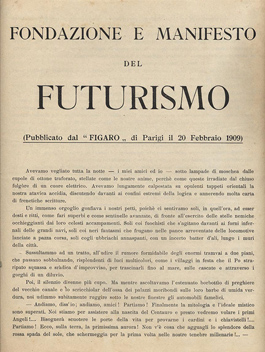 |
"Despise all imitation, glorify all forms of originality, however bold and aggressive they may be, consider artistic criticism unnecessary and harmful, and rise against the tyranny of the words harmony and good taste," such were some of the premises of the Italian futurists, whose father was the poet Filippo Tommaso Marinetti. Many of them also supported the ideas of fascism, which they believed could be a means to revive the then industrially backward Italy.
Futurism definitively vanished with Marinetti's death in 1944. With artistic works that were later and even today referred to as futurist, the Italian movement from the early twentieth century shares only the celebration of the dynamics of the technical world and industrial society.
The English translation is powered by AI tool. Switch to Czech to view the original text source.
0 comments
add comment