
The exhibition in Letná will bring closer the atmosphere of the pre-war gardens
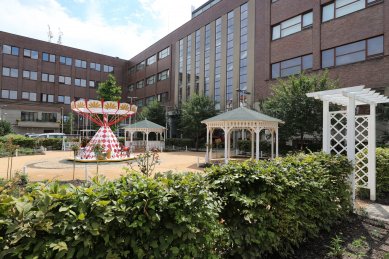
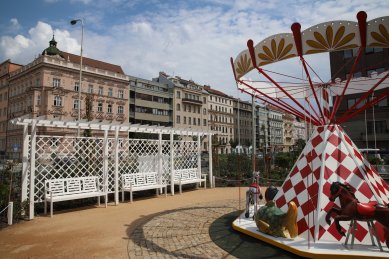
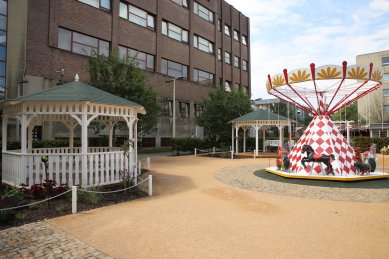
Prague - Since today, visitors to the National Agricultural Museum in Prague in Letná can experience the atmosphere of a First Republic garden. The museum's courtyard will feature flower beds, displays of period garden architecture, and a historic carousel for children. This year, the National Agricultural Museum (NZM), like the Czech Republic, is commemorating the centenary of its establishment.
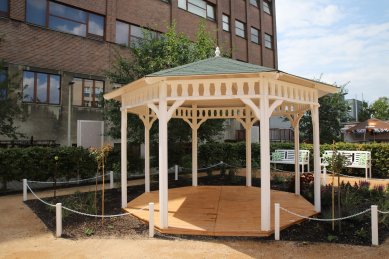
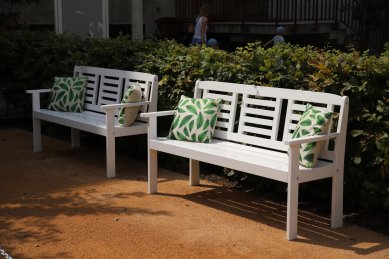
The stylized garden was created in the museum's courtyard with the aim of familiarizing visitors with the typical manifestations of First Republic garden creation, drawing from rich forms of flower and rose beds, garden structures, and many accessories. The exhibition has also expanded to the roof of the NZM, where a sample of flower beds with a sundial has been planted.
The theme of "pilgrimage in the city" also inspired the authors of the exhibition. In the middle of the flower garden, a historic carousel with animal motifs and a swing awaits the little visitors. Additionally, the garden connects to the exhibition Small Farmyard with small farm animals and also a garden restaurant.
Garden architects found numerous opportunities for application in interwar Czechoslovakia, ranging from modifications of the gardens of Prague Castle to newly established sports areas and private villa gardens. "During the first half of the 20th century, our garden and landscape architecture experienced unprecedented development, and despite a detour into the dead end of searching for a national garden style, it ultimately reached a global level," characterized the period by expert on the history of garden and landscape art Zdeněk Novák, who is the government coordinator for the celebrations of the centenary of the establishment of Czechoslovakia. According to Novák, the work of the garden architects of that time represents a significant part of the national cultural heritage.
The stylized garden was created in the museum's courtyard with the aim of familiarizing visitors with the typical manifestations of First Republic garden creation, drawing from rich forms of flower and rose beds, garden structures, and many accessories. The exhibition has also expanded to the roof of the NZM, where a sample of flower beds with a sundial has been planted.
The theme of "pilgrimage in the city" also inspired the authors of the exhibition. In the middle of the flower garden, a historic carousel with animal motifs and a swing awaits the little visitors. Additionally, the garden connects to the exhibition Small Farmyard with small farm animals and also a garden restaurant.
Garden architects found numerous opportunities for application in interwar Czechoslovakia, ranging from modifications of the gardens of Prague Castle to newly established sports areas and private villa gardens. "During the first half of the 20th century, our garden and landscape architecture experienced unprecedented development, and despite a detour into the dead end of searching for a national garden style, it ultimately reached a global level," characterized the period by expert on the history of garden and landscape art Zdeněk Novák, who is the government coordinator for the celebrations of the centenary of the establishment of Czechoslovakia. According to Novák, the work of the garden architects of that time represents a significant part of the national cultural heritage.
The English translation is powered by AI tool. Switch to Czech to view the original text source.

0 comments
add comment