
Regionální knihovna a vzdělávací centrum

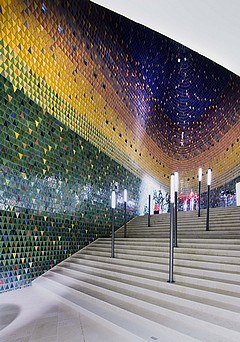 |
| ©Tamás Bujnovszky |
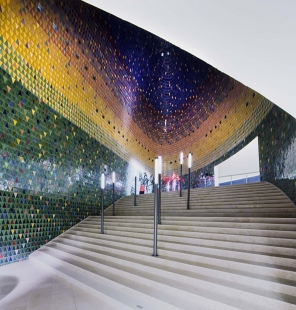
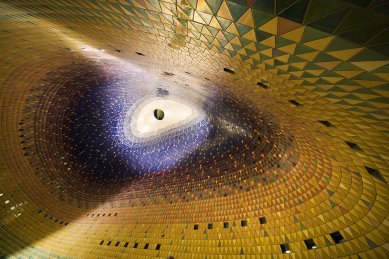
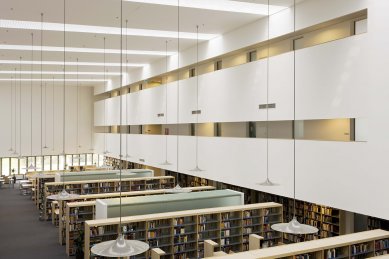
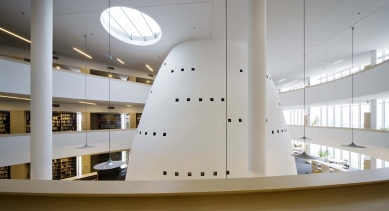
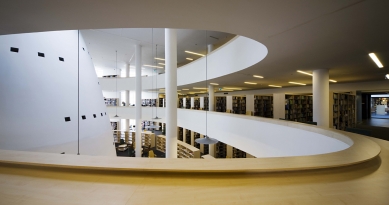
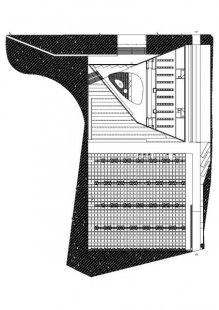
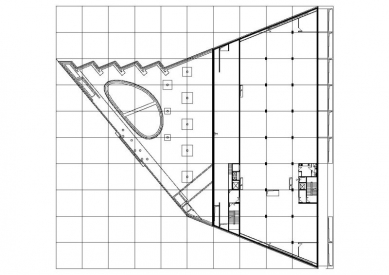
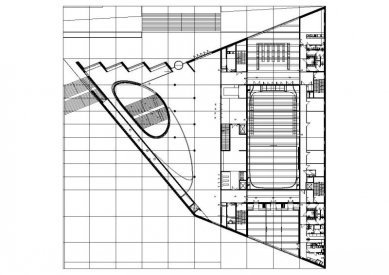
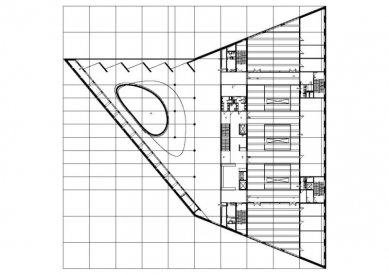
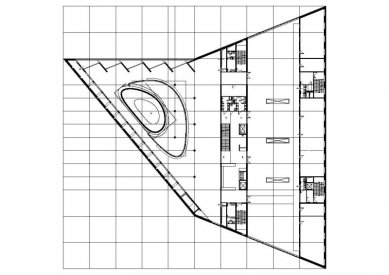
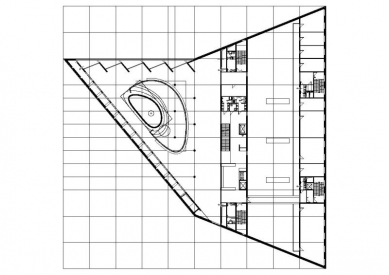
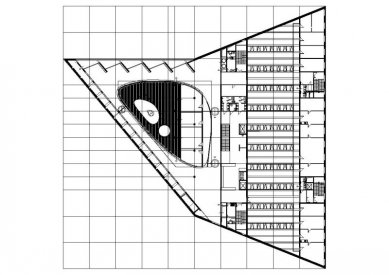
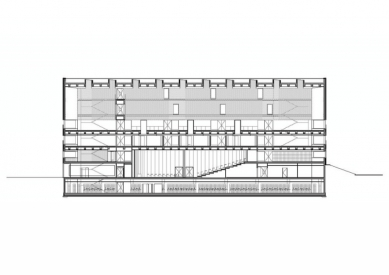
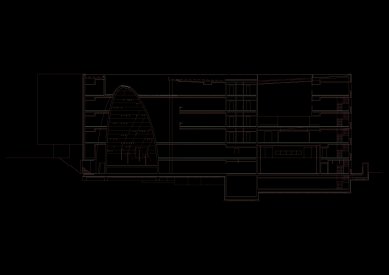
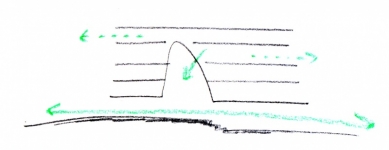
I see beauty in the idea that my response for a knowledge center is a building where the focus is not on concrete, permanently changing knowledge but on the possibility of thinking: in-other-words, an empty space which can be filled with the thoughts of the people in it. The ground floor reception room is horizontally open, and the upper floors are, in accordance with their activities, rather introverted. The extensive “beehive”, un-functional in any common sense, connects these differently characterized spaces. In terms of forms, the inner, abstract space is analogous, archaic and organic.
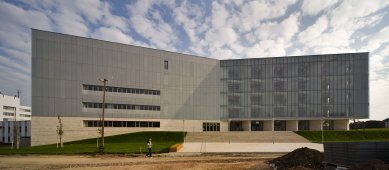
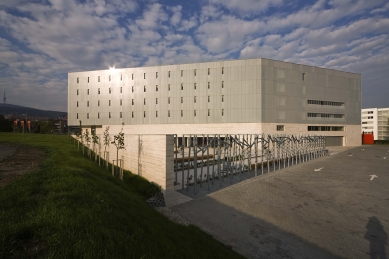
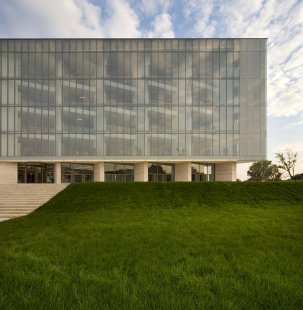
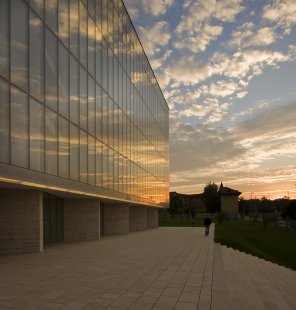
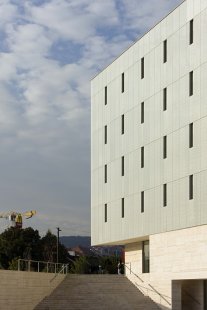
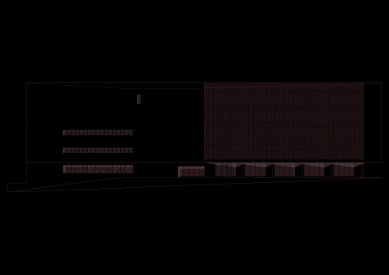
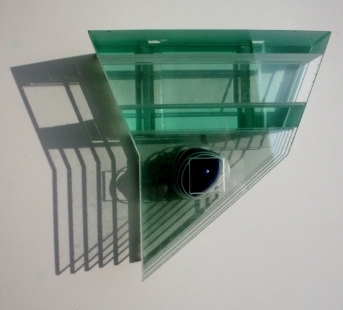
The spaces surrounding the “beehive” are the result of rational planning; with their flexibility they express the possibility of change. The facades are defined by the airy, white ceramic-coated glass, which represents the latest technology. The inner surface of the “beehive” is an independent work of art: The Zsolnay ceramic tiles, with their world-famous eosin coating, refer to the use of local historical characteristics. The dual-use of material is intentional. It is important that an architectural work can be read in different ways: it should be local and international, stylish and traditional, historical and contemporary, but first of all have self-identity.






1 komentář
přidat komentář
Předmět
Autor
Datum
backstage
Balázs Tatár
25.10.11 04:33
zobrazit všechny komentáře